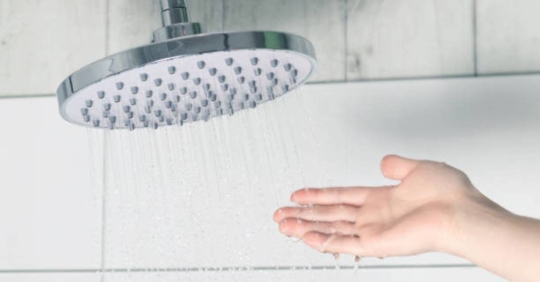
Your morning shower suddenly turns ice cold. The dishwasher won't clean properly. These frustrating moments often trace back to one culprit: a neglected water heater. Most Wichita homeowners don't think about their water heater until something goes wrong, but a few simple maintenance steps can keep hot water flowing and save you from expensive emergency repairs down the road.
Don't wait for a cold shower to remind you—if your water heater is overdue for maintenance or showing warning signs, contact us online or call (316) 542-2818 today.
Why Water Heater Maintenance Matters
Your water heater works hard every single day, heating 40 to 80 gallons of water for showers, laundry, dishes, and cleaning. Without regular care, sediment builds up, components wear out, and small issues turn into major problems. Routine maintenance helps your system run efficiently, extends its lifespan, and catches potential failures before they leave you without hot water or cause water damage to your home.
The investment in maintenance is minimal compared to the cost of a full replacement or water damage restoration. A well-maintained water heater can last 10 to 15 years, while a neglected one might fail in half that time.
Check the Temperature Setting
The temperature dial on your water heater affects both safety and efficiency. Most manufacturers set water heaters to 140°F, but the Department of Energy recommends 120°F for most households. This temperature prevents scalding, reduces energy costs, and slows mineral buildup inside the tank.
To check your temperature, let hot water run for a few minutes, then test it with a cooking thermometer. If it reads above 120°F, adjust the dial accordingly. Wait a few hours and test again to verify the change. This simple adjustment can reduce your water heating costs by 6 to 10 percent.
Drain and Flush the Tank Annually
Sediment is your water heater's silent enemy. Minerals from your water supply settle at the bottom of the tank, forming a layer that reduces efficiency and causes premature failure. Wichita's water contains minerals that make this buildup happen faster than in other areas.
Draining your tank once a year removes this sediment. Here's how to do it safely:
- Turn off the power supply (flip the breaker for electric heaters or set gas heaters to pilot mode)
- Shut off the cold water supply valve at the top of the tank
- Connect a garden hose to the drain valve at the bottom of the tank
- Run the hose to a floor drain or outside
- Open the drain valve and let several gallons flow out
- Close the valve, turn the water supply back on, and restore power
The water that comes out will likely look rusty or cloudy—that's the sediment leaving your system. If you're uncomfortable performing this task or the valve won't open, a professional can handle it during a maintenance visit.
Test the Pressure Relief Valve
The temperature and pressure (T&P) relief valve is a critical safety feature. It releases water if pressure or temperature inside the tank gets too high, preventing dangerous explosions. This valve should be tested at least once a year to confirm it's working properly.
Locate the valve on the side or top of your tank—it has a lever and a discharge pipe running down toward the floor. Place a bucket under the discharge pipe, then carefully lift the lever partway. Water should flow freely and stop when you release the lever. If nothing comes out or water continues dripping after you release the lever, the valve needs replacement.
Inspect the Anode Rod
The anode rod is a metal rod inside your tank that attracts corrosive elements, protecting the tank walls from rust. Think of it as a sacrificial component that corrodes so your tank doesn't have to. Once the rod deteriorates completely, the tank itself begins to rust, leading to leaks.
Most anode rods should be inspected every three years and replaced when they're less than half an inch thick or coated heavily with calcium. Checking the anode rod requires removing it from the top of the tank, which can be difficult without the right tools. Many homeowners choose to have this inspection done during professional plumbing services visits.
Look for Signs of Leaks
Water pooling around your heater's base is an obvious problem, but smaller leaks can go unnoticed until they cause damage. Check these areas regularly:
- Connections where pipes enter and exit the tank
- The drain valve at the bottom
- The pressure relief valve and its discharge pipe
- The tank itself for rust spots or moisture
Even small drips waste water and can indicate deteriorating components. Moisture around the tank can also damage flooring and create conditions for mold growth. If you spot any leaks, schedule an inspection right away.
Insulate Older Units
If your water heater is in an unheated garage, basement, or utility room, insulation can improve efficiency significantly. An insulating blanket wraps around the tank, reducing heat loss and lowering your energy bills. These blankets are inexpensive and available at most hardware stores.
Before insulating, check your owner's manual—some newer, high-efficiency models don't need additional insulation and may have specific requirements. When applying an insulation blanket, avoid covering the thermostat, burner area (on gas heaters), or the top of the tank.
Listen to Your Water Heater
Strange noises from your water heater tell you something's wrong. Popping, banging, or rumbling sounds usually indicate sediment buildup at the bottom of the tank. As water heats up, it bubbles through the sediment layer, creating these noises. A thorough flush often resolves the issue.
Hissing sounds might signal high pressure or a valve problem. A constant low rumble from a gas heater could indicate burner issues. Don't ignore unusual sounds—they're early warnings that maintenance is needed.
Know When to Call a Professional
Some maintenance tasks are straightforward for homeowners, while others require professional expertise. You should call a trained technician if you notice:
- Rust-colored water from your hot water taps
- Consistently lukewarm water despite adjusting the thermostat
- Significant water pooling around the tank
- The unit is more than 10 years old and hasn't been professionally serviced
- You're uncomfortable performing any maintenance task yourself
Professional maintenance includes tasks beyond basic homeowner care, such as checking electrical connections, testing heating elements, inspecting combustion chambers on gas units, and evaluating overall system performance. Technicians can also identify problems you might miss and recommend solutions before small issues become emergencies.
The Cost of Neglect
Skipping maintenance might seem like a time-saver now, but it often leads to expensive problems later. A failed water heater can flood your home, requiring emergency water heater repairs or replacement along with potential restoration services. Emergency service calls, replacement units, and water damage repairs cost far more than routine maintenance ever would.
Beyond the financial impact, a broken water heater disrupts your daily routine. No hot showers, no dishwasher, no laundry—these inconveniences affect your entire household until the problem is fixed.
Create a Maintenance Schedule
Consistency is key to water heater longevity. Mark your calendar for these tasks:
- Monthly: Quick visual inspection for leaks and unusual sounds
- Every six months: Test the pressure relief valve
- Annually: Drain and flush the tank, check the temperature setting, inspect visible components
- Every three years: Professional inspection including anode rod check
Keep records of your maintenance activities, including dates and any issues you discovered. This documentation helps you track your system's condition and provides valuable information if you need professional service.
Protect Your Home's Hot Water Supply
Water heater maintenance isn't complicated, but it requires attention and follow-through. These preventive steps take minimal time but deliver significant benefits: reliable hot water, lower energy bills, extended equipment life, and peace of mind. Wichita homeowners who make maintenance a priority avoid the stress and expense of unexpected breakdowns.
Remember that even with diligent home maintenance, professional inspections provide an extra layer of protection. Trained eyes can spot developing problems and perform services that go beyond typical homeowner capabilities.
Schedule Your Water Heater Maintenance Today
Don't wait until a breakdown forces your hand. Regular maintenance keeps your water heater running efficiently and helps you avoid costly emergency situations. The team at Butler Plumbing & Restoration has served the Greater Wichita Area for years, providing thorough water heater maintenance and honest service recommendations.
Contact us online or call (316) 542-2818 to schedule your water heater maintenance appointment. Let us help you protect your home's hot water supply and avoid the inconvenience of unexpected failures.